The Best Fluffy Pancakes recipe you will fall in love with. Full of tips and tricks to help you make the best pancakes.


Last summer, Joshua brought back a crate of perfectly ripe mangoes from a farmer’s market trip, and we stood in the kitchen wondering what to do with them all. Evelyn suggested a cold soup—something refreshing for the brutal heatwave we were experiencing. That’s when I remembered gazpacho, but my mind immediately went rogue.

Why not swap tomatoes for mangoes? The trio huddled around the blender, tossing in ingredients, tasting, adjusting, and laughing at our own boldness. The result?
A stunning Mango Gazpacho that became our unofficial signature dish for hot days. This chilled soup blends sweet tropical fruit with savory elements, creating something entirely unexpected yet completely addictive. If you’re looking for a recipe that breaks all the rules while delivering maximum refreshment, this Mango Gazpacho is your answer.
Why You’ll Love This Mango Gazpacho Recipe
This Mango Gazpacho hits differently than any cold soup you’ve tried before. First, it’s incredibly refreshing—perfect for sweltering afternoons when you can’t bear the thought of turning on the stove. The natural sweetness of ripe mangoes balances beautifully with tangy lime juice and a hint of heat from jalapeño.
Moreover, this recipe comes together in just 15 minutes with minimal effort. You simply blend, chill, and serve.
Additionally, this Mango Gazpacho impresses guests every single time. The vibrant golden color looks stunning in bowls, and the flavor profile surprises everyone who tastes it. People expect traditional tomato gazpacho, but this tropical twist creates memorable conversations around the table.
Furthermore, it’s naturally vegetarian, gluten-free, and easily adaptable to vegan diets. The recipe also packs serious nutrition—mangoes deliver vitamins A and C while keeping everything light and digestible.
We’ve served this Mango Gazpacho at dinner parties, backyard barbecues, and casual weeknight meals. Every time, people ask for the recipe. The balance of sweet, savory, tangy, and spicy elements creates complexity that keeps you coming back for another spoonful. Trust me, once you experience how refreshing and unique this soup tastes, you’ll want to make it all season long.
Ingredients You’ll Need
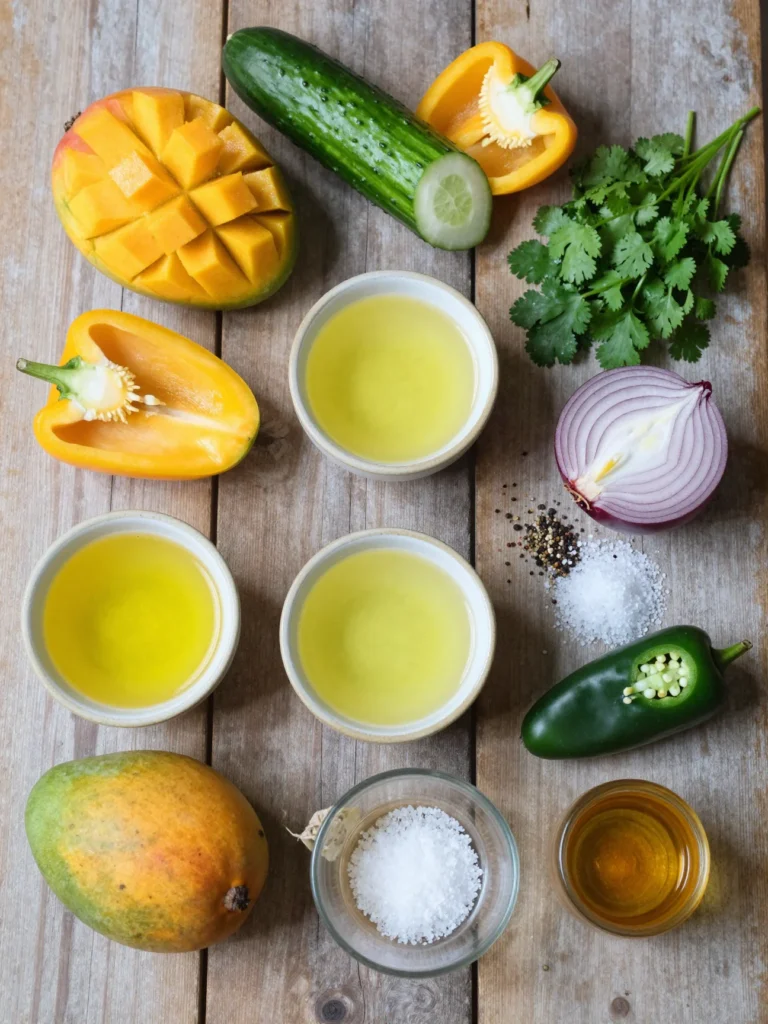
Gathering ingredients for Mango Gazpacho is straightforward. You’ll find most items in your regular grocery store, and the recipe forgives small substitutions. Here’s what we use:
| Ingredient | Amount |
|---|---|
| Ripe mangoes, peeled and cubed | 3 large (about 4 cups) |
| Cucumber, peeled and chopped | 1 medium |
| Yellow bell pepper, chopped | 1 medium |
| Red onion, roughly chopped | 1/4 cup |
| Fresh lime juice | 1/4 cup |
| Jalapeño pepper, seeded | 1 small |
| Fresh cilantro | 1/2 cup packed |
| Extra virgin olive oil | 3 tablespoons |
| Cold water | 1/2 cup |
| Sea salt | 1 teaspoon |
| Black pepper | 1/4 teaspoon |
| Honey (optional) | 1 tablespoon |
Choosing ripe mangoes makes all the difference in this Mango Gazpacho. Look for fruit that yields slightly to gentle pressure and releases a sweet fragrance near the stem. Underripe mangoes will make your soup taste flat and lack that essential tropical sweetness. We prefer Ataulfo or Honey mangoes for their creamy texture, but any variety works when perfectly ripe.
Substitutions & Variations
This Mango Gazpacho recipe adapts beautifully to different preferences and ingredient availability. If you can’t find yellow bell peppers, orange or red peppers work wonderfully—they add slight sweetness that complements the mango. For the cucumber, English cucumbers provide less water content and fewer seeds, making for a smoother texture. However, regular cucumbers work fine if you scoop out the seeds first.
Looking to adjust the heat level? Remove the jalapeño entirely for a mild version, or leave the seeds in for extra spice. Evelyn sometimes adds a pinch of cayenne pepper for consistent heat without chunks.
Regarding the cilantro, we know it’s divisive. If you’re not a fan, substitute fresh mint or basil for a different but equally delicious flavor profile.
For a creamier Mango Gazpacho, Joshua likes adding half an avocado before blending. This creates a silkier texture and adds healthy fats. Alternatively, a dollop of Greek yogurt stirred in at the end provides tanginess and body.
Want to make it sweeter? Increase the honey or add a splash of orange juice. Conversely, if your mangoes are very sweet, skip the honey altogether and add more lime juice for balance.
Consider adding other fruits too. Pineapple brings additional tropical vibes, while peaches create a softer, more subtle sweetness. We’ve even made this Mango Gazpacho with a combination of mango and cantaloupe, which turned out surprisingly excellent. The possibilities are truly endless once you understand the basic flavor structure.
Step-by-Step Instructions
Making Mango Gazpacho couldn’t be simpler. This recipe requires no cooking, just good blending technique and patience for chilling. Here’s how we do it:
Step 1: Prepare all your ingredients first. Peel and cube the mangoes, removing all flesh from the pit. Peel the cucumber and chop it roughly.
Remove seeds from the bell pepper and jalapeño, then chop everything into similar-sized pieces. This ensures even blending and consistent texture throughout your Mango Gazpacho.
Step 2: Add mangoes, cucumber, bell pepper, red onion, and jalapeño to your blender. Pour in the lime juice, then add cilantro, olive oil, and cold water. Sprinkle salt and pepper over everything. If using honey, add it now.
Step 3: Blend on high speed for 60-90 seconds. You want a smooth, creamy consistency with no large chunks remaining. Stop occasionally to scrape down the sides.
The mixture should look vibrant and golden. If your Mango Gazpacho seems too thick, add more cold water one tablespoon at a time until you reach desired consistency.
Step 4: Taste and adjust seasonings. This step is crucial. You might need more lime juice for brightness, more salt for depth, or more honey if your mangoes aren’t sweet enough. The flavors should balance beautifully—sweet, tangy, savory, and slightly spicy all at once.
Step 5: Transfer the Mango Gazpacho to a covered container and refrigerate for at least 2 hours. Chilling allows flavors to meld together and intensifies the refreshing quality. We often make it in the morning for dinner service. The soup actually tastes better after several hours in the fridge.
Step 6: Before serving, stir well and taste again. Cold temperatures can dull flavors, so you might want to add a pinch more salt or a squeeze of fresh lime. Pour into chilled bowls and garnish as desired.
Pro Tips for Success
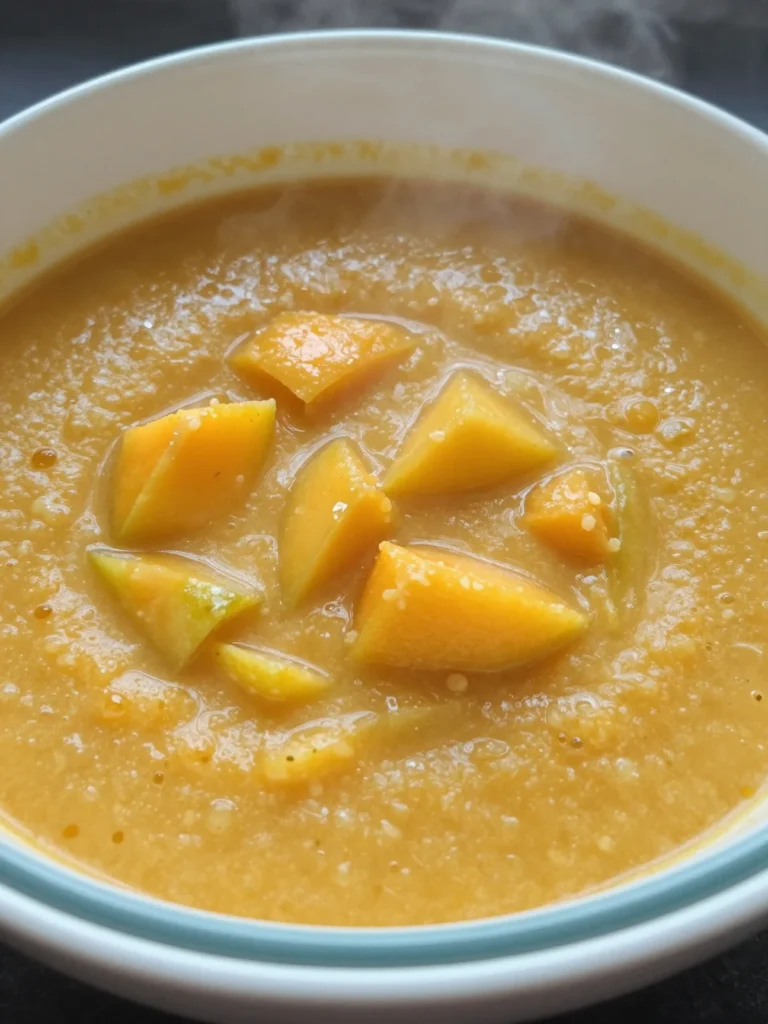
After making countless batches of Mango Gazpacho, we’ve learned several tricks that elevate this soup from good to extraordinary. First, always chill your serving bowls before plating. This keeps the soup refreshingly cold longer and makes the presentation more impressive.
Secondly, reserve some diced mango, cucumber, and bell pepper before blending. These make fantastic garnishes that add textural contrast to your smooth Mango Gazpacho. Evelyn often tops each bowl with these fresh cubes, a drizzle of olive oil, and a few cilantro leaves. This restaurant-style presentation takes mere seconds but looks absolutely stunning.
Moreover, don’t over-blend. While you want a smooth consistency, over-processing can make the soup foamy and thin. Blend just until everything combines smoothly.
If you prefer chunkier gazpacho, pulse the blender instead of running it continuously. This creates a rustic texture that some people prefer.
Additionally, consider the temperature. This Mango Gazpacho should be served ice-cold for maximum refreshment. If you’re in a hurry, add a handful of ice cubes to the blender—they’ll melt during blending and chill the soup instantly. However, remember this dilutes flavors slightly, so adjust seasonings accordingly.
Finally, make this recipe ahead whenever possible. The Mango Gazpacho truly improves after sitting for several hours or even overnight. The flavors marry together beautifully, creating a more cohesive and complex taste. Just give it a good stir before serving since some separation might occur during storage.
Storage & Reheating Tips
Store leftover Mango Gazpacho in an airtight container in the refrigerator for up to 3 days. The soup maintains its vibrant flavor and color during this time. Before serving leftovers, stir well and taste for seasoning adjustments. You might need to add a splash of lime juice to brighten flavors that have mellowed during storage.
Freezing Mango Gazpacho is possible but not ideal. The texture changes slightly upon thawing—fruits with high water content like mango and cucumber can become somewhat watery. If you do freeze it, use freezer-safe containers and leave some headspace for expansion. Thaw overnight in the refrigerator, then blend briefly to restore smoothness.
Obviously, you won’t reheat this chilled soup. However, if it’s been sitting out and reached room temperature, simply return it to the refrigerator for 30 minutes before serving. This Mango Gazpacho tastes best when served cold, so plan accordingly when entertaining guests.
What to Serve With This Recipe
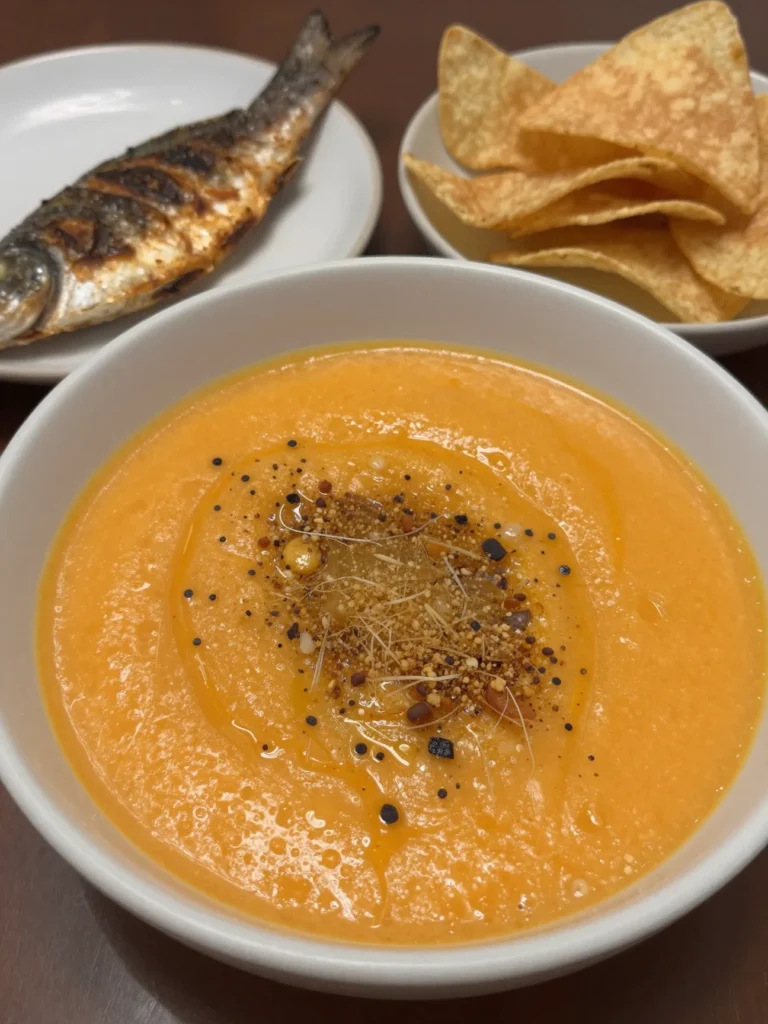
This Mango Gazpacho works beautifully as an appetizer, light lunch, or palate cleanser between courses. For a complete meal, Joshua often serves it alongside grilled fish or shrimp. The tropical sweetness complements seafood perfectly, especially seared scallops or blackened mahi-mahi.
Alternatively, pair your Mango Gazpacho with crispy tortilla chips or homemade crostini. The crunchy texture contrasts wonderfully with the smooth, cold soup. We also love serving it with a fresh summer salad featuring grilled chicken, avocado, and citrus vinaigrette. This creates a light yet satisfying meal perfect for warm evenings.
Consider serving this soup as part of a tapas-style spread. Combine your Mango Gazpacho with stuffed peppers, Spanish olives, manchego cheese, and crusty bread for a festive summer gathering. The variety of flavors and textures keeps everyone engaged and satisfied.
For beverages, Evelyn recommends pairing this Mango Gazpacho with crisp white wines like Albariño or Sauvignon Blanc. The wine’s acidity complements the soup’s brightness. Non-alcoholic options include sparkling water with lime, iced green tea, or a refreshing agua fresca.
FAQs
Can I make Mango Gazpacho ahead of time?
Absolutely! This Mango Gazpacho actually tastes better when made several hours or even a day ahead. The flavors develop and meld together beautifully during refrigeration. Just store it in an airtight container and give it a good stir before serving.
What type of mango works best for gazpacho?
Any ripe mango variety works for Mango Gazpacho. We prefer Ataulfo (Honey) mangoes for their creamy texture and minimal fibers, but Kent, Tommy Atkins, or Haden mangoes all deliver excellent results. The key is ripeness—choose fruit that’s fragrant and yields slightly to gentle pressure.
Can I make this soup spicier?
Definitely! Increase the heat in your Mango Gazpacho by leaving seeds in the jalapeño, adding more jalapeño, or incorporating a pinch of cayenne pepper. You can also garnish individual bowls with hot sauce, allowing guests to customize their spice level.
Is Mango Gazpacho healthy?
Yes! This Mango Gazpacho is packed with vitamins, minerals, and antioxidants from fresh fruits and vegetables. It’s naturally low in calories, high in fiber, and contains healthy fats from olive oil. The soup is also vegetarian, gluten-free, and easily adapted to vegan diets.
Can I use frozen mango for this recipe?
Fresh mango works best for Mango Gazpacho, but frozen mango is acceptable in a pinch. Thaw it completely and drain excess liquid before blending. Keep in mind that frozen mango sometimes lacks the vibrant flavor of fresh fruit, so you might need to adjust seasonings with extra lime juice or honey.
Nutrition Information (per serving)
| Nutrient | Amount |
|---|---|
| Calories | 185 |
| Total Fat | 8g |
| Saturated Fat | 1g |
| Cholesterol | 0mg |
| Sodium | 390mg |
| Total Carbohydrates | 30g |
| Dietary Fiber | 4g |
| Sugars | 24g |
| Protein | 2g |
| Vitamin A | 35% DV |
| Vitamin C | 85% DV |
This Mango Gazpacho recipe yields approximately 6 servings. Nutritional values are estimates and may vary based on specific ingredients and portion sizes used. The soup provides exceptional vitamin C and vitamin A content while remaining relatively low in calories, making it a nutritious choice for health-conscious eaters seeking refreshing summer meals.